









A2

A2 Spanish stories for everyday reading practice

These A2 readings move beyond isolated routines into small events: a package arrives, a plan changes, or an ordinary errand goes slightly wrong. Follow practical Spanish while getting used to time, sequence, and simple dialogue.

Follow the action in these A2 Spanish stories

  1. El huerto comunitario

    The Community Garden

    Neighbors transform an empty lot into a shared garden through past actions, routines, and future plans.

    4 min180 words

  2. El mercado

    The market

    A trip to the market. Numbers, food vocabulary and basic past tense.

    4 min174 words

  3. El paquete de Marina

    Marina's parcel

    A neighborly mystery that practices object pronouns and past actions in a clear sequence.

    4 min178 words

  4. El picnic equivocado

    The mixed-up picnic

    A light park story that practices past actions, object pronouns, and clear sequence connectors.

    5 min181 words

  5. El taller de cerámica

    The Pottery Workshop

    A first pottery class follows a small mistake and a new hobby through past-tense narration and advice.

    5 min185 words

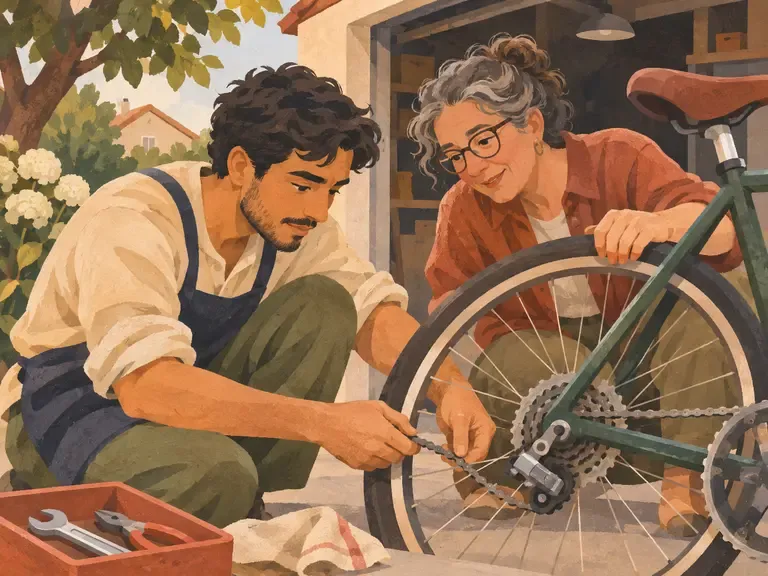
  6. La bicicleta prestada

    The borrowed bicycle

    An everyday problem story that practices completed past actions and clear sequence connectors.

    4 min178 words

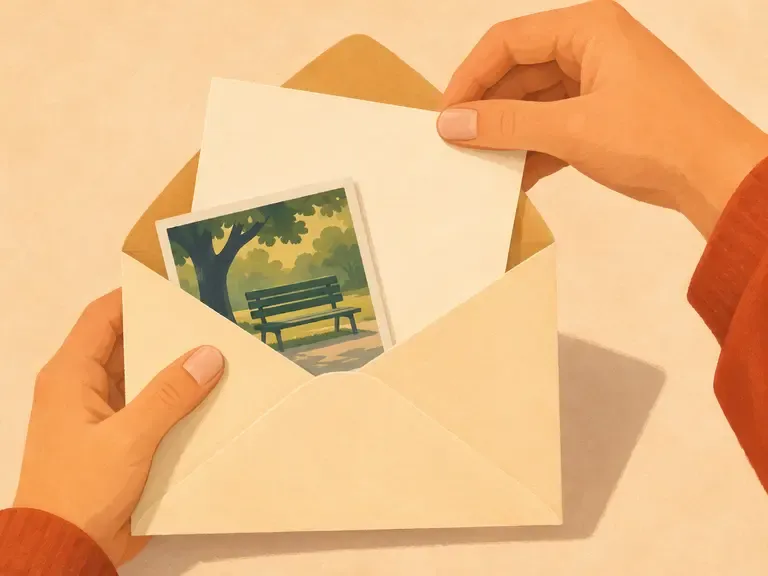
  7. La carta para Noa

    The letter to Noa

    A student writes to a friend abroad, practicing direct object pronouns with a letter, an envelope, and a photograph.

    5 min184 words

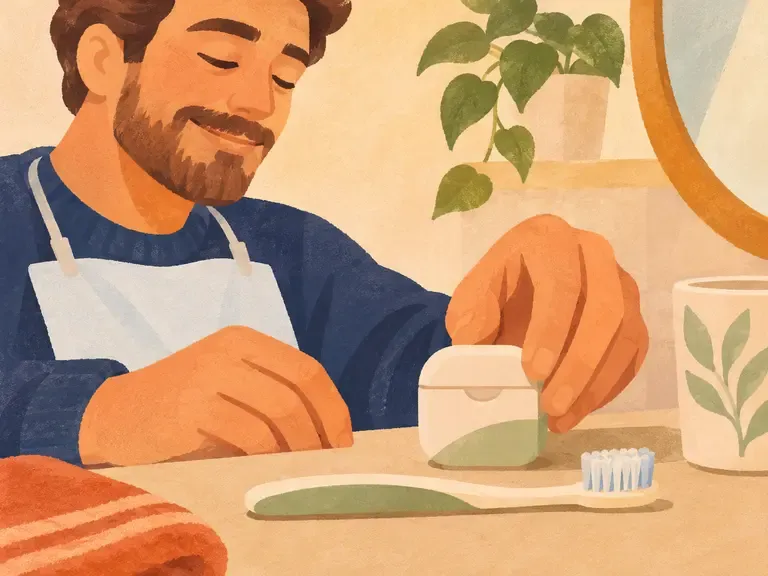
  8. La cita del dentista

    The dentist appointment

    A reassuring health story that practices reflexive verbs and sequencing a recent experience.

    5 min183 words

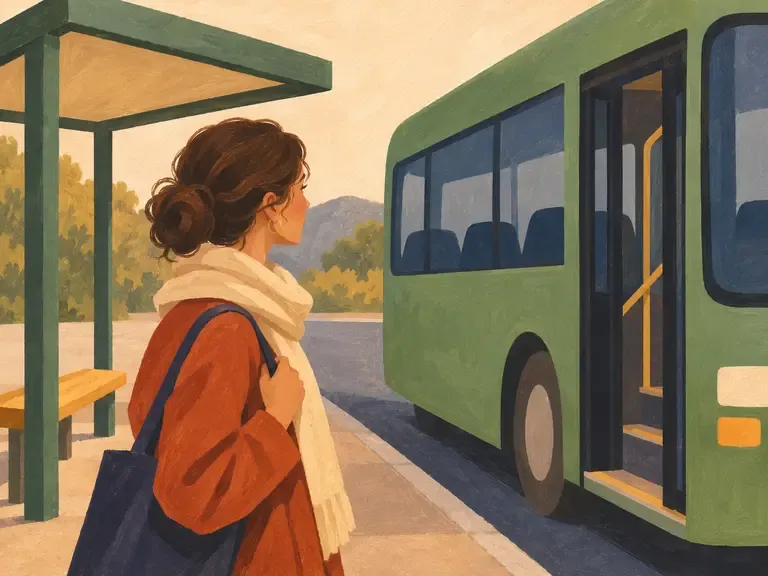
  9. La nueva parada

    The New Bus Stop

    A commuter adjusts to a moved bus stop and solves a small morning problem with clear past sequencing.

    5 min181 words

  10. La primera clase de natación

    The first swimming lesson

    An adult joins a swimming class, practicing poder and tener que while following clear past-tense actions.

    5 min189 words

  11. La sopa de los miércoles

    Wednesday soup

    A family cooking tradition that practices imperfect habits and completed actions in the past.

    5 min184 words

  12. Las fotos de la plaza

    Photographs of the square

    A photography student learns to notice changing light, with comparisons and a sequence of past actions.

    5 min183 words

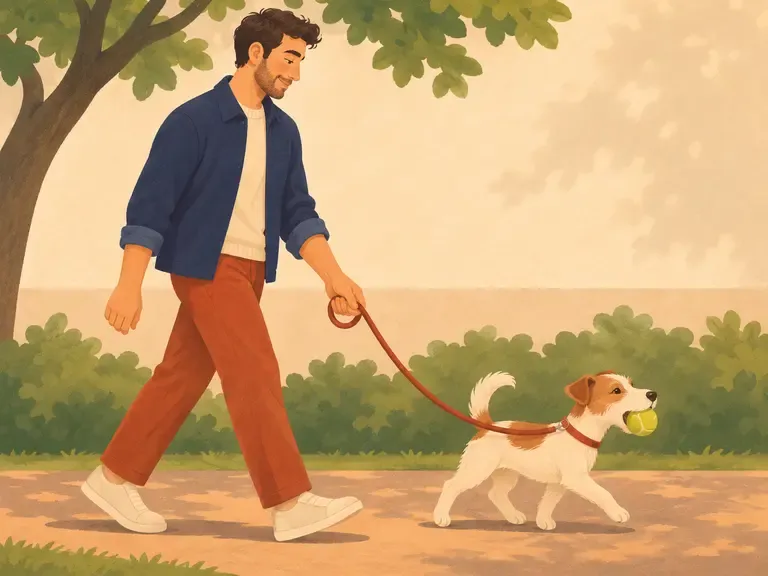
  13. Un paseo con Luna

    A walk with Luna

    A volunteer gets to know a dog at an animal shelter, practicing past actions and simple obligations.

    5 min191 words

  14. Una fiesta sin luz

    A party without lights

    A birthday surprise during a power outage, with past tenses and sequence connectors.

    4 min180 words

  15. Un viaje en tren

    A train trip

    A short trip in the past tense with travel and time vocabulary.

    4 min177 words

At A2, ordinary situations begin to move

An A1 text often describes what exists or what someone usually does. An A2 story can tell you what changed. A bicycle is borrowed and must be returned; friends organize a picnic but misunderstand the location; a dental appointment interrupts the day. These are still familiar situations, yet they create a before, a problem, and an outcome.

That movement introduces useful time language. You will meet phrases such as ayer, esta mañana, después, entonces, el próximo sábado, and al final. Common forms of the preterite appear alongside the present, and plans may use ir a plus an infinitive. Short exchanges between characters add questions, requests, and polite expressions that resemble the Spanish needed in shops, transport, appointments, and social plans.

You should be able to follow the central event even when one sentence contains a new verb form. Details will not always be immediately transparent. Perhaps you know that a character received something but not exactly why it was unexpected. That partial understanding is productive: the surrounding actions give you evidence, and the next sentence may confirm your guess.

Read for sequence, not for a perfect translation

On your first pass, track the timeline. Notice the opening situation, the moment something changes, and the final result. A quick three-part note with “plan / problem / solution” is often enough. This keeps your attention on the story rather than on translating each sentence into polished English.

During the second pass, circle the connectors mentally or on paper. Words such as pero, porque, por eso, primero, and luego explain how the pieces fit together. Try reading the sentence on both sides of a connector before checking an unfamiliar word. Frequently, the relationship tells you more than a dictionary entry would.

Dialogue deserves a separate reading. Ask what the speaker is doing: requesting help, declining an invitation, explaining a delay, or correcting a misunderstanding. Then borrow one line for your own life. Change ¿Puedes traer la bebida? to ¿Puedes abrir la ventana? or turn a character’s plan into your plan for the weekend.

What progress looks like at this stage

A2 is working when you can reconstruct the order of events and recognize common past forms without stopping to name the grammar rule. You may still reread pronouns, irregular verbs, or sentences with two actions. That is normal. Before moving to B1, aim to summarize the story in four or five connected Spanish sentences using simple links such as primero, después, pero, and por eso. The goal is not speed alone; it is learning to hold a whole event in mind while the language unfolds.